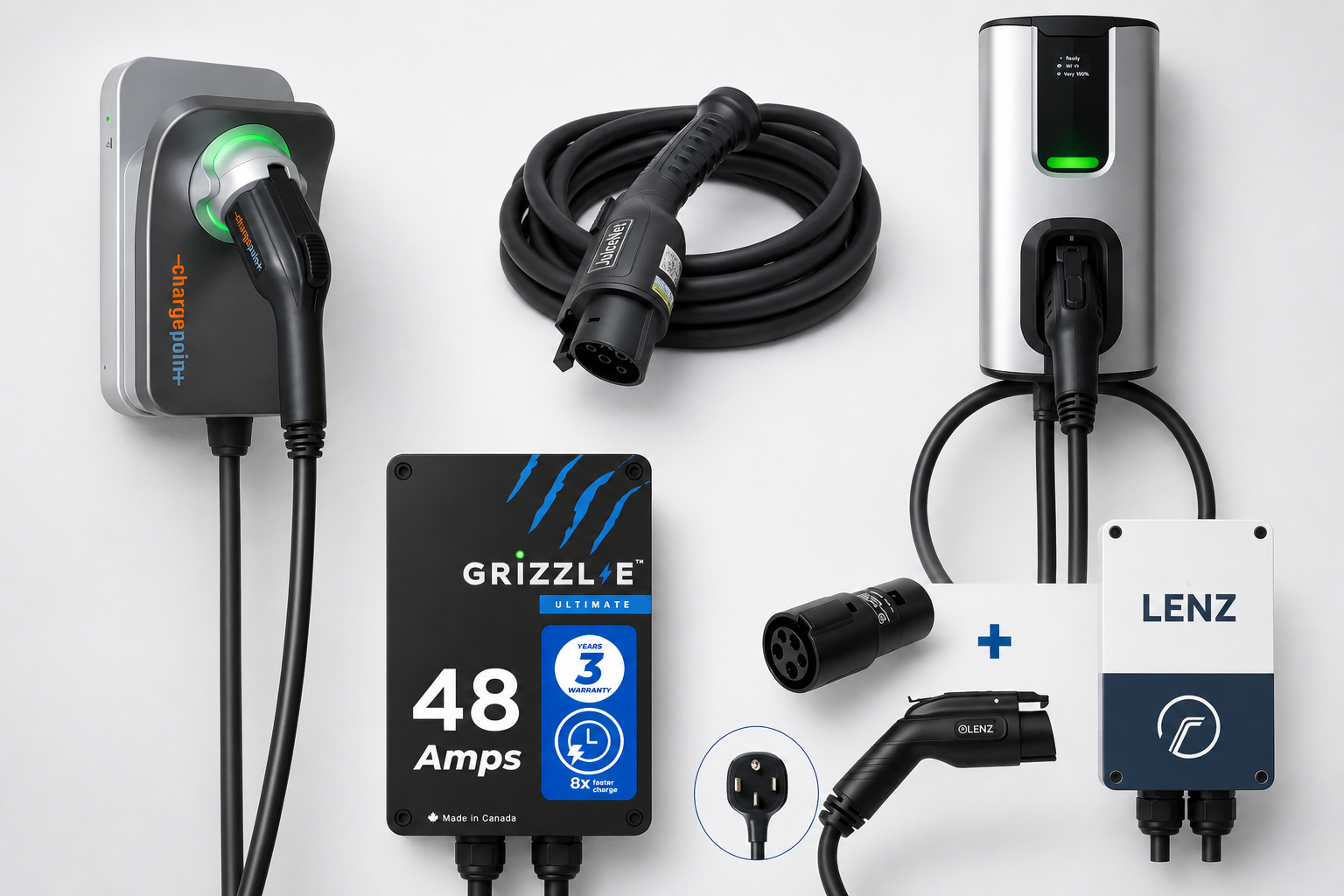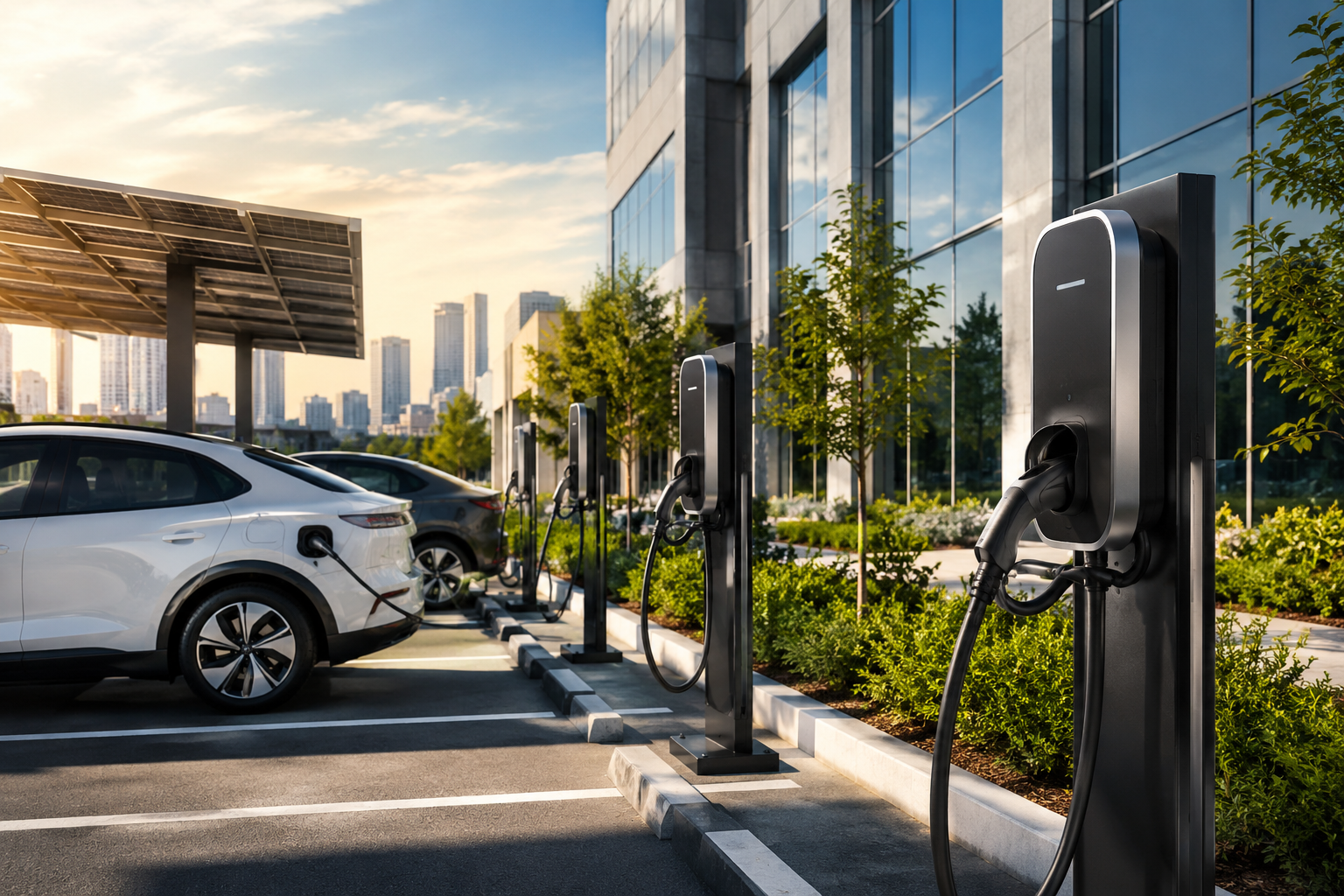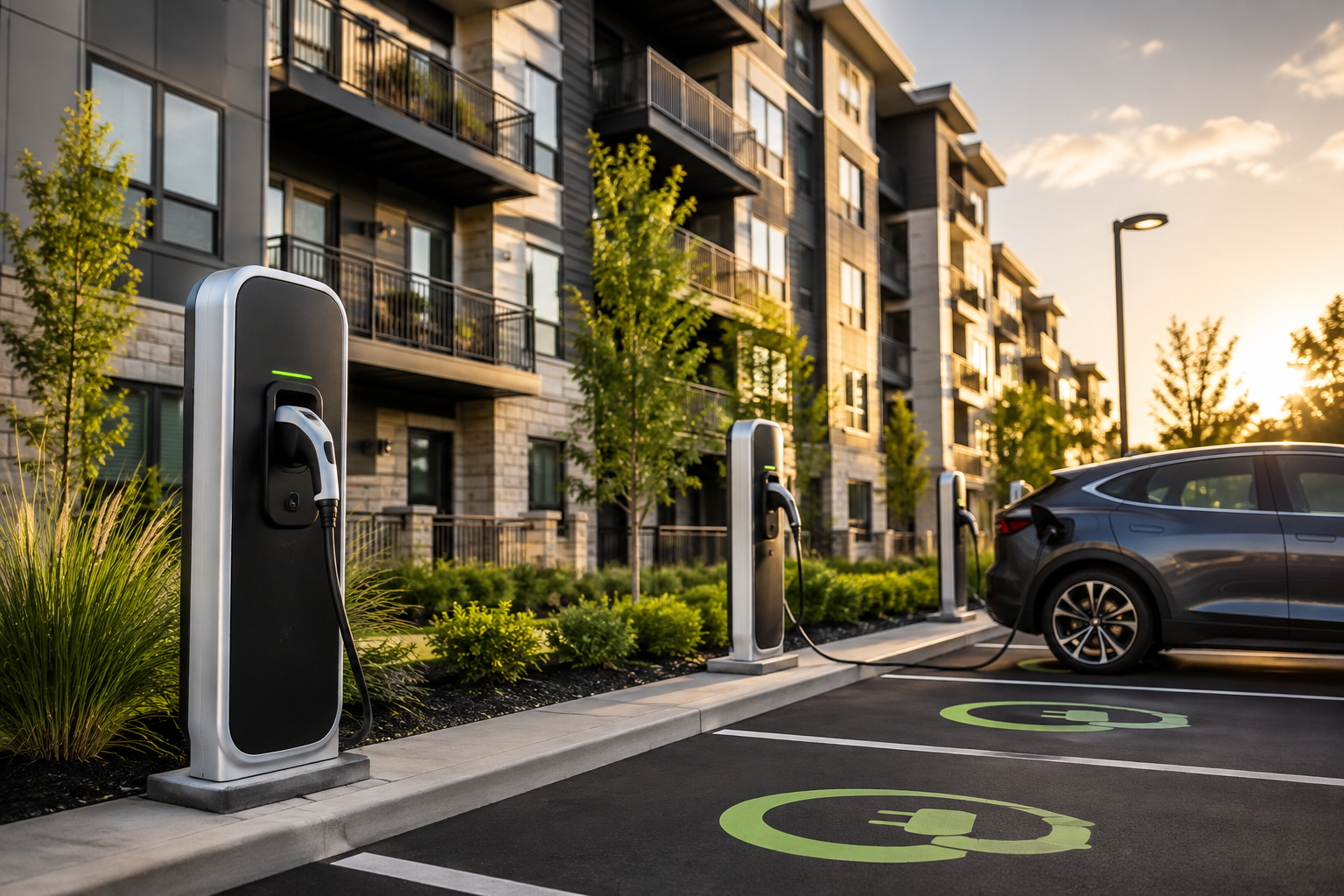

Are you planning to install an EV charging station at your home, apartment, or commercial property? Thanks to major tax incentives, 2025 is the best year yet to go electric, not just for vehicles, but for charging infrastructure too. Here’s your essential guide to current federal credits, eligibility requirements, and smart steps for maximizing your savings on chargers and installation.
Federal Tax Credits for Individual Homeowners
The government offers a robust tax credit to encourage residential EV charging infrastructure:
- Credit Amount: Up to 30% of the total cost (hardware + professional installation), capped at $1,000 per home.
- What’s covered: Level 2 home chargers, upgrades to electrical panels, and proper installation.
- When and how to claim: Installed equipment must be placed in service before December 31, 2032. Claim using IRS Form 8911 on your federal tax return.
Federal Tax Credits for Businesses and Multifamily/Commercial Properties
Commercial and multifamily property owners get even bigger incentives in 2025:
- Credit Amount: 30% of eligible costs, up to $100,000 per charging location.
- Eligible expenses: Hardware, site prep, trenching, wiring, installation, and related upgrades.
- Deadline: Equipment installed and energized before December 31, 2032.
- Stacking incentives: Many states/municipalities offer additional grants, rebates, or low-interest loans for commercial-scale projects.
Step-By-Step: How to Claim the Federal Charging Equipment Credit
- Plan Your Installation
- Choose a certified Level 2 or higher charging solution.
- Hire licensed professionals for safe and code-compliant installation.
- Get estimates and confirm all costs are documented.
- Install and Keep Records
- Save invoices for equipment, labor, and supporting electrical work.
- For commercial sites, document the property address and nature of use.
- File for the Credit
- Homeowners: Use IRS Form 8911 (“Alternative Fuel Vehicle Refueling Property Credit”).
- Provide supporting documentation if requested by the IRS.
Frequently Asked Questions: Charging Infrastructure Credit
Does the credit work for renters?
Homeowners must own the property or get landlord approval. Renters usually need to work through landlords or property managers.
Can I claim the credit more than once?
Yes, for separate installations at different properties, or if you install chargers at new locations.
Is solar or battery storage covered?
Only charging equipment and related installation qualify under these credits. However, other clean energy incentives apply for solar.
Are all brands/models eligible?
Most major residential and commercial charging stations qualify. It’s best to confirm UL listing and eligibility with your installer.
The Business Case: Why Now Is the Time to Upgrade
- Tenant Attraction & Retention: EV-driving tenants and employees expect workplace or residential charging.
- Increase Property Value: Modern buildings with robust charging infrastructure are in high demand and appraise at higher values.
- Generate Income: Many properties monetize their chargers, creating new revenue streams with transparent rate billing.
Combining Federal, State, and Utility Incentives
- You can typically combine the federal credit with local/state/utility rebates for deeper savings.
- Check with your state energy office or utility provider for stackable programs. Many utilities provide direct incentives for demand management or time-of-use charging.
Sustainability and the Future
- Having onsite charging is a strong signal of environmental responsibility for both residential and commercial properties.
- For commercial sites, participation in utility grid services can result in long-term savings and extra revenue.
Key Takeaways
- Homeowners can claim 30% of EV charger and installation costs (up to $1,000).
- Businesses and commercial/multifamily properties can claim 30% (up to $100,000 per location).
- Act by 2032 to secure federal credits—sooner is better, as state/local incentives may change.
- Combine with other rebates for maximum savings and property value.
Ready to install EV charging? Take action now for cleaner driving, faster charging, and major tax savings. Whether at home, at work, or across your entire portfolio, JuiceNet can help you install Level 2 EV chargers with a turnkey, seamless process from site consultation to installation to rebate finders.