Why EV Drivers Are Done Waiting at Public Chargers
If you drive an electric vehicle, you already know the feeling.
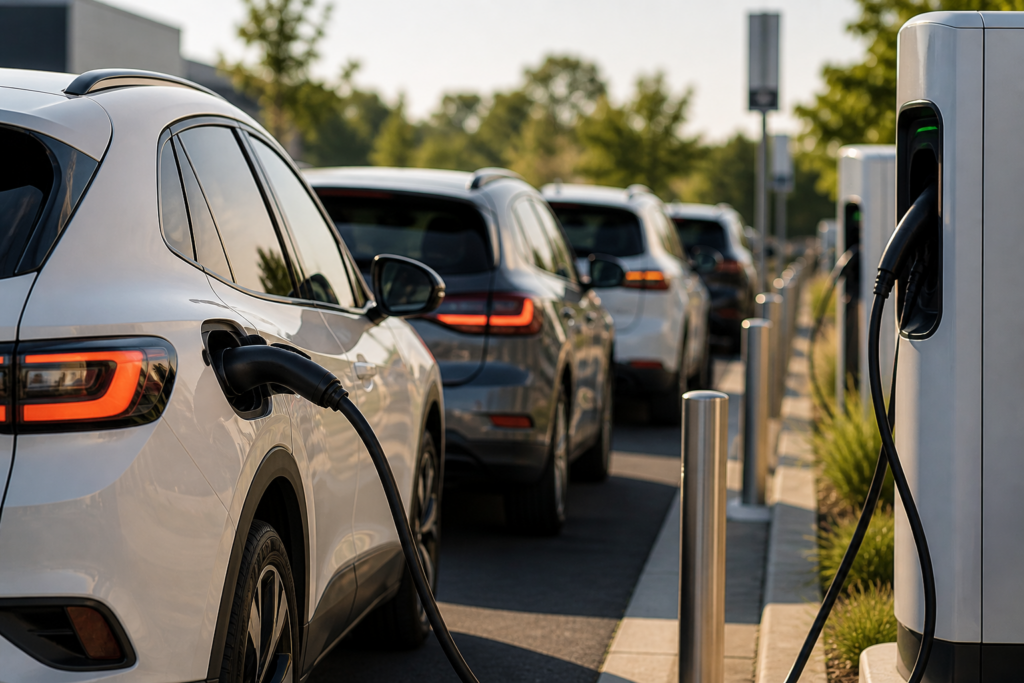
You pull up to a public charging station expecting a quick stop, only to find every charger occupied. Maybe there’s a line. Maybe one of the stations is out of service. Maybe someone is sitting at 100% but hasn’t moved. What should have taken 20–30 minutes turns into an hour or more.
This isn’t an isolated experience. It’s becoming the norm.
As electric vehicle adoption continues to accelerate across the U.S., the reality is simple: charging infrastructure isn’t keeping up in the ways drivers actually need. And more importantly, the current model of relying heavily on centralized public charging stations is starting to show its limits.
EV drivers aren’t just looking for more chargers anymore. They’re looking for a better way to charge.
The Real Problem Isn’t Just “More Chargers”
At first glance, it seems like the solution is obvious—build more public charging stations. And while that’s happening, it’s not solving the core issue.
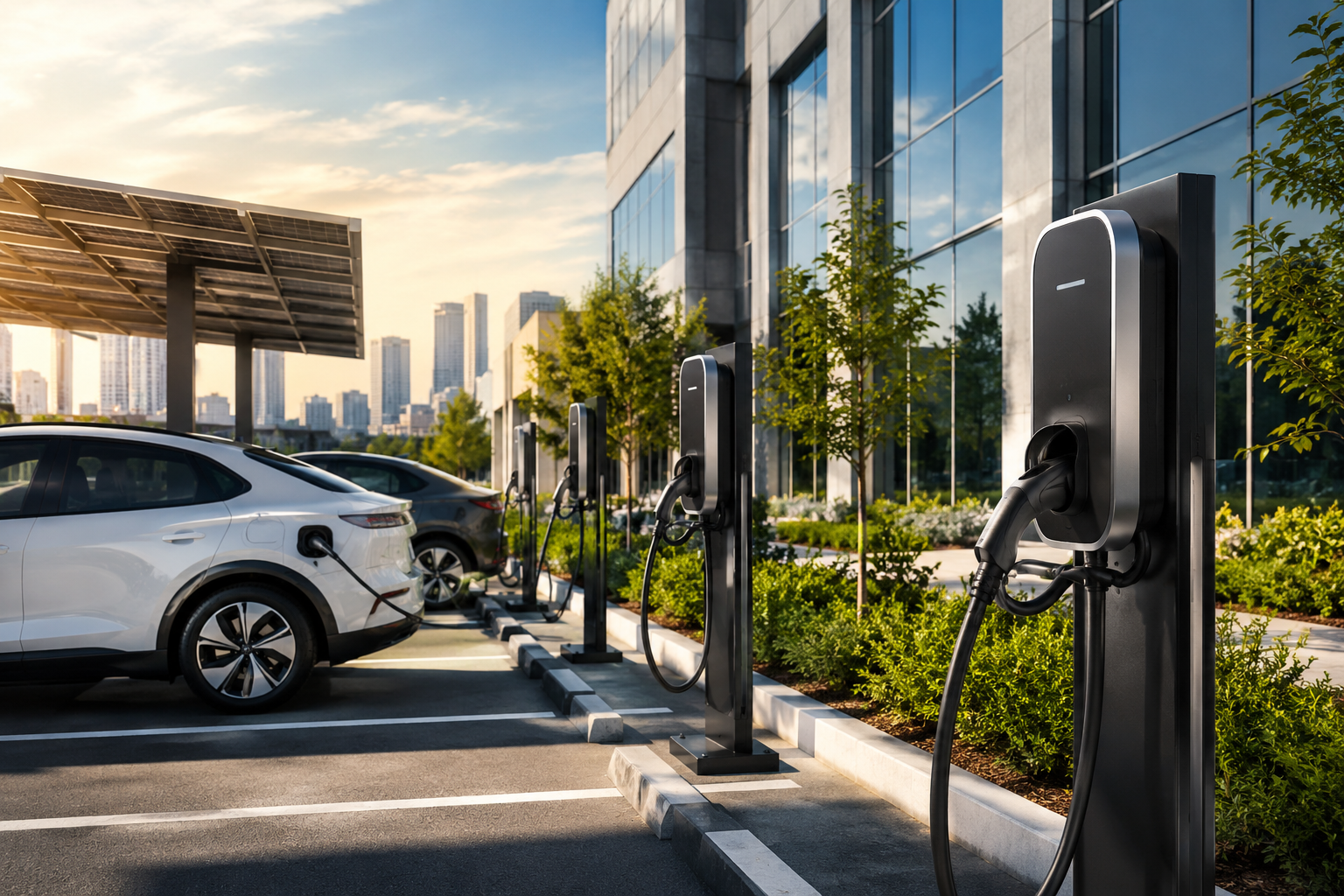
Public charging is built around a centralized model:
- Drivers travel to a specific location
- Multiple vehicles compete for limited chargers
- Availability is unpredictable
- Wait times are common during peak hours
Even in areas with a growing number of stations, congestion is increasing. As more drivers switch to electric, the demand is stacking on top of a system that wasn’t designed for this level of everyday use.
For many EV owners—especially those who don’t have reliable access to charging at home or work—this creates a frustrating and inconsistent experience.
Charging becomes something you have to plan your day around.
EV Charging Should Be Simple
Think about how people are used to fueling their vehicles.
Gas stations are everywhere, but more importantly, they’re fast and predictable. You don’t expect to wait. You don’t expect to plan your day around it. You pull in, fill up, and move on.
EV charging should feel just as seamless—but today, it often doesn’t.
The gap between expectation and reality is what’s driving frustration. And it’s also what’s driving change.
Drivers are starting to look for alternatives that feel more natural, more flexible, and closer to how they actually live their day-to-day lives.
Charging Is Moving Closer to Home
Instead of relying only on large, high-traffic charging hubs, a new approach is emerging—one that distributes charging access across neighborhoods.
Think about it this way:
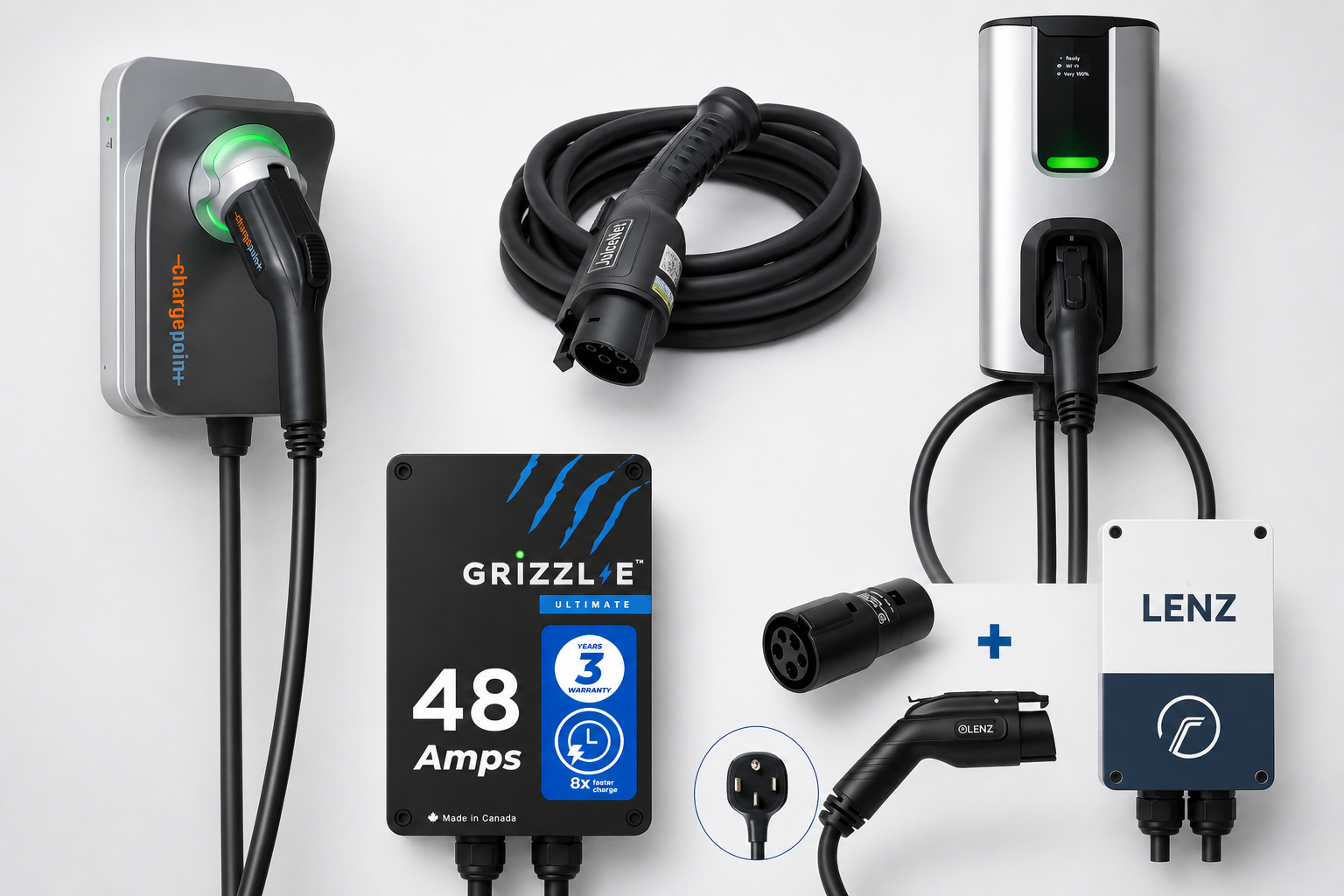
There are already thousands of EV chargers sitting idle every day. They’re installed in garages, driveways, and homes across the country. Most of the time, they’re only used for a few hours at night. The rest of the day, they’re unused.
At the same time, there are drivers nearby who need a place to charge.
The problem isn’t just supply. It’s access.
What if charging didn’t require you to drive out of your way, wait in line, or hope something is available? What if you could simply find a charger near you, reserve it, and show up knowing it’s ready?
That’s where the shift is happening.
A More Flexible Way to Charge
This is where platforms like JuiceNet come in.
Instead of building more centralized stations, JuiceNet connects EV drivers with available chargers in their local area—often just minutes away. These are real chargers owned by homeowners who choose to make them accessible to others.
For drivers, it changes the experience entirely:
- You can find chargers near you instead of across town
- You can reserve ahead of time instead of waiting
- You can charge in neighborhoods where you already live, work, or spend time
It’s a shift from reactive charging to planned, reliable charging.
And most importantly, it removes one of the biggest pain points EV drivers face today: uncertainty.
Why This Matters Now
The timing of this shift is critical.
EV adoption is no longer early-stage. It’s growing quickly, and with that growth comes pressure on infrastructure. Public charging stations will always play an important role, especially for long-distance travel. But for everyday charging needs, drivers are starting to expect something more convenient.
Something closer.
Something that fits into their routine—not disrupts it.
Neighborhood-based charging helps fill that gap by expanding access without requiring massive new construction or long timelines. It uses infrastructure that already exists and makes it available in a smarter way.
It’s Not Just Better for Drivers
This shift also creates new opportunities for homeowners.
If you already have a Level 2 charger at home, you likely use it for a few hours a day. The rest of the time, it sits unused. By making it available through a platform like JuiceNet, homeowners can turn that unused time into passive income.
At the same time, they’re helping expand charging access in their community.
It’s a simple concept, but it has a powerful effect: more chargers become available exactly where they’re needed most.
The Future of EV Charging Isn’t Centralized
The current model of EV charging was built around early adoption. It focused on large stations, highway corridors, and high-traffic areas.
But as EV ownership becomes more mainstream, the needs of drivers are changing.
People aren’t just looking for a place to charge—they’re looking for:
- Convenience
- Reliability
- Proximity
- Control over their time
Centralized charging alone can’t deliver all of that.
A more distributed, neighborhood-driven approach can.
A Better Experience Starts with One Simple Change
If you’ve ever waited at a charger, driven out of your way to find one, or had to rearrange your schedule just to charge your vehicle, you’ve experienced the friction that’s pushing this shift forward.
Charging doesn’t have to feel like that.
With platforms like JuiceNet, drivers are starting to experience something different:
- Charging that’s closer
- Charging that’s reservable
- Charging that works around their day
And once you experience that, it’s hard to go back to waiting.
The Bottom Line
EV drivers aren’t just looking for more chargers—they’re looking for a better charging experience.
The frustration around public charging isn’t going away on its own. But the way we think about charging is evolving.
Instead of relying only on centralized stations, charging is becoming more local, more flexible, and more aligned with how people actually live.
And that shift is already underway.
If you’re tired of waiting, there’s a better way to charge—and it might be closer than you think.