
According to the International Energy Agency, EVs reached 14 million units in 2023. That’s about 18 percent of total car sales. That is up from just 4 percent in 2020. While there are immeasurable economic and environmental benefits to shifting to EVs, there are some challenges as well. Many relate to accessing fast and convenient charging. This is where electric vehicle rebate programs come in. Below is a guide to EV charging rebates, including how they work and how you can access them. Keep reading to learn how you can get the most out of an EV charging station rebate.
Why Install a Home EV Charger?
Putting in a home EV charger has many advantages. These include:
- Convenience
- Cost-savings
- Environmental benefits
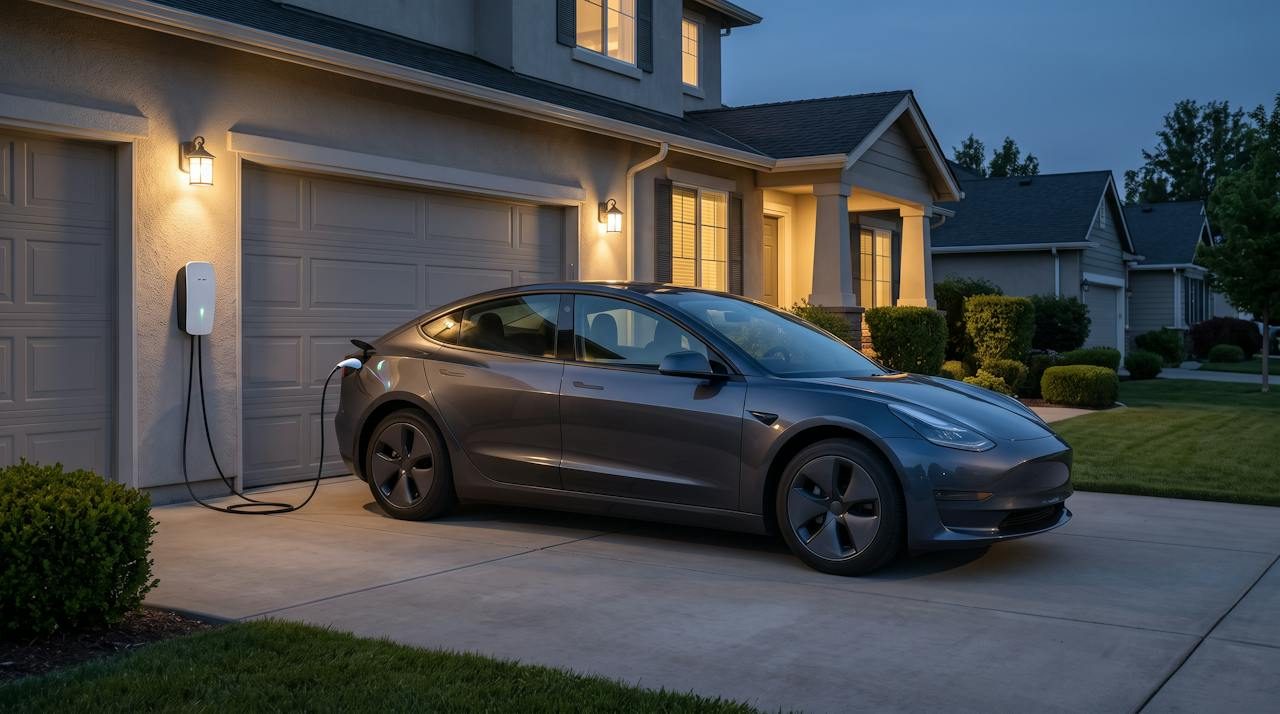
Putting in a home EV charger has many advantages. One of the biggest reasons to install a home station is convenience. You can charge your vehicle overnight, or whenever it suits you. It also eliminates the need to spend time and effort charging at public stations.
In general, charging at home is more economical than paying for use at public stations. This is especially true with time-of-use electricity plans. Those plans adjust rates based on the time of day and season. You can choose to leverage lower rates by charging during off-peak hours.
A final (potential) but big advantage of charging at home is that it gives you more control over the energy source. If you have solar panels, or a utility that prioritizes clean energy, home charging has a smaller footprint. It beats electricity made by burning fossil fuels.
What Tax Incentives Are There for Home EV Chargers?
Many people are aware of federal and state EV vehicle incentives. The federal tax credits for buying a new or used EV (up to $7,500 and $4,000) ended on September 30, 2025, though state and utility incentives may still apply. Many people are also unaware that there has been a separate set of incentives for installing home charging stations (regardless of whether you own an EV).
Here are the main green energy rebates, credits, and incentives to consider.
Federal Incentives
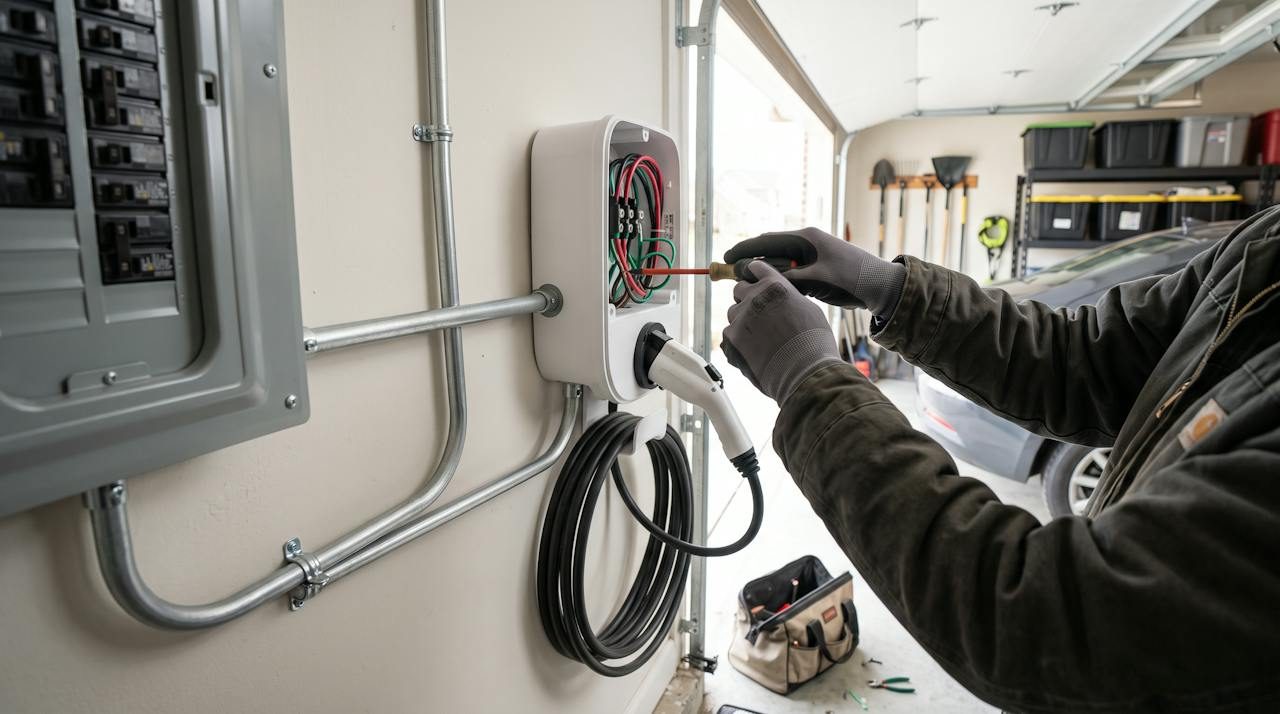
The Inflation Reduction Act of 2022 included tax credits specific to installing a home EV charger. This is known as the 30C Alternative Fuel Refueling Infrastructure credit. It was equal to 30 percent of the total cost of the station, including installation, up to $1,000. Update: the 30C credit ended for chargers placed in service after June 30, 2026.
This tax credit extended only to people living in rural or low-income areas. Determining if your home qualifies is the first step to determining eligibility. Also, the EV charger must meet certain requirements set by the U.S.
Department of Energy. It must be new and installed at your primary residence. To receive the credit, the property owner submits the receipt to the IRS. It goes on their federal tax return as proof of purchase.
There is a different tax incentive structure for businesses that install EV chargers under the 30C Alternative Fuel Refueling Infrastructure provision. They can receive up to 6 percent of the qualified cost per charging port. The credit was capped at $100,000 per item, and it also ended for equipment placed in service after June 30, 2026. Tax-exempt entities can receive the same as homeowners: 30 percent of total installation costs.
State and Local Incentives
Dozens of states and municipalities offer tax incentives for installing an EV charging port at a home or business. California leads the United States in the number of EVs. It also has the most locations offering charger incentives. For instance, Los Angeles and Anaheim offer rebates and incentives up to $1,000 and $1,500 respectively for the purchase and installation of qualified 240-volt, level 2 charging stations.
Anaheim raises that to $3,000 for customers on the local utility’s time-of-use rate plans. It offers $10,000 for a DC fast charger. Los Angeles also gives a $250 rebate for the installation of dedicated EV meters. Other states, like Colorado, offer select locations $500 off the cost of the purchase and installation of a residential level 2 charger. Certain income-qualified residents can receive as much as $1,300 back. New York has EV charger incentives as well.
They offer up to $5,000 in tax credits to offset the purchase and installation of stations. The NC Clean Energy Technology Center maintains a database of state tax incentives for EV vehicle purchases, charging station installation, and other green energy rebates and credits. You can use it to find rebates and tax credits for your location.
Utility-Based Incentives
Finally, some utilities offer their own incentives, either in combination with the state (as described above) or on their own. Jacksonville Electric Authority in Florida offers residential customers who install a level 2 EV charging station up to $7 per month when charging during off-peak hours. They also will cover up to $300 for pre-wiring necessities. In Oregon, the Eugene Water and Electric Board offers $500 to customers who purchase a qualifying level 2 charger.
In Texas, Austin Energy gives a tax rebate of 50 percent off the purchase and installation, for a maximum benefit of $1,200. The Burlington Electric Department in Vermont offers up to $900 on qualifying level 2 chargers. These must be bought within 60 days of the EV purchase or lease. Residents who do so can also sign up for a discounted charging rate of 8 cents/kWh when charging during off-peak hours. In Connecticut, Eversource gives a $500 EV charging station rebate for qualified installations.
They also will provide a second rebate of up to $500 for help with home wiring upgrades. Tacoma Public Utility in Washington state offers a $400 rebate in the form of a bill credit, for customers who install a level 2 EV charging state. Learn More About EV Charging Station Rebate Programs Now that you understand the ins and outs of how to obtain an EV charging station rebate, you can determine the best path forward. With a little bit of time and effort, you can leverage EV station installation savings.
JuiceNet is on a mission to empower EV drivers with information on ways to make charging more accessible, convenient, and sustainable. Whether you are a homeowner looking to monetize your Level 2 charger or a driver seeking more convenient charging options, we can help. Join the movement today and help us build a more sustainable tomorrow.
Apartment EV Charging Charging Commercial EV Charger Installation Commercial EV Charging Commercial EV Charging Bellevue Commercial Fleet Charging Condo EV Charging Corona EV Charger DC Fast Charging Dynamic Load Balancing Earn Money Electric Fleet Charging Electric Vehicle Fleet Management Electric vehicles EV's EV charger Redmond EV Charging EV Charging Bellevue EV Charging Corona EV Charging for Businesses EV charging host Redmond EV Charging Infrastructure EV Charging Installation EV Charging Solutions EV Depot Charging EV Energy Management EV Fleet Charging EV Fleet Charging Solutions Fleet Charging Infrastructure Fleet Charging Solutions Fleet Charging Stations Fleet Electrification Future Green Energy Home EV Charging JuiceNet Host JuiceNet Host Redmond Level 2 charger Redmond Level 2 EV Charging make money home EV charger Multifamily EV Charging Nationwide EV Charging Installation rent out EV charger Redmond Residential EV Charging Retention & engagement