EV Fleet Charging Solutions: A Complete Guide for Businesses
Electric vehicles are changing how businesses manage transportation. From delivery vans and service vehicles to municipal fleets, more organizations are exploring electric vehicles as a way to reduce operating costs and modernize their operations.
But transitioning to an electric fleet involves more than purchasing vehicles. Businesses also need reliable charging infrastructure that keeps vehicles ready for daily use.
That’s where EV fleet charging solutions come in.
Whether your company operates five electric vehicles or manages hundreds across multiple locations, having the right charging infrastructure can make a significant difference in operating efficiency, vehicle availability, and long-term costs.
What Are EV Fleet Charging Solutions?
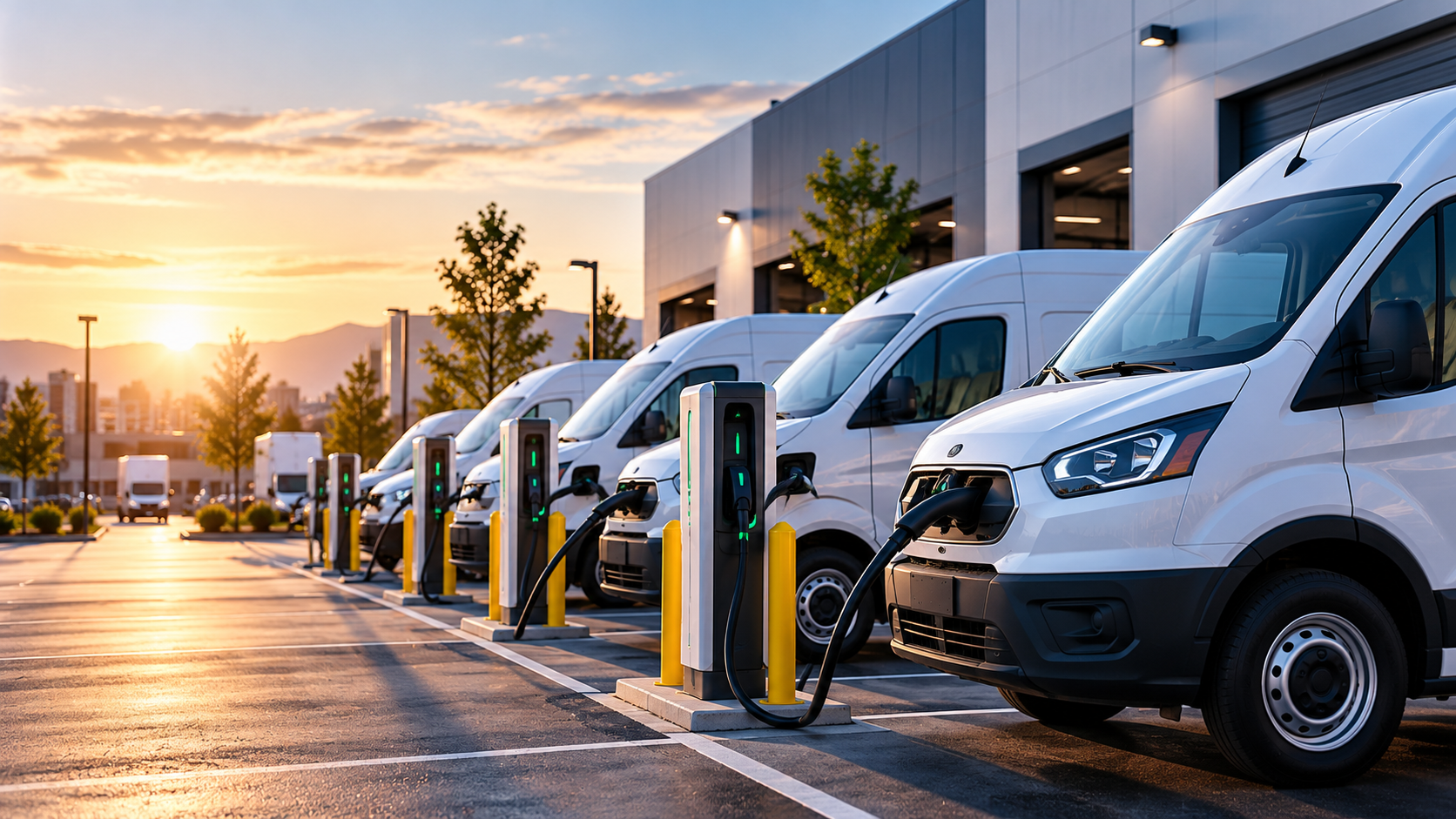
EV fleet charging solutions are charging systems designed specifically for businesses operating multiple electric vehicles.
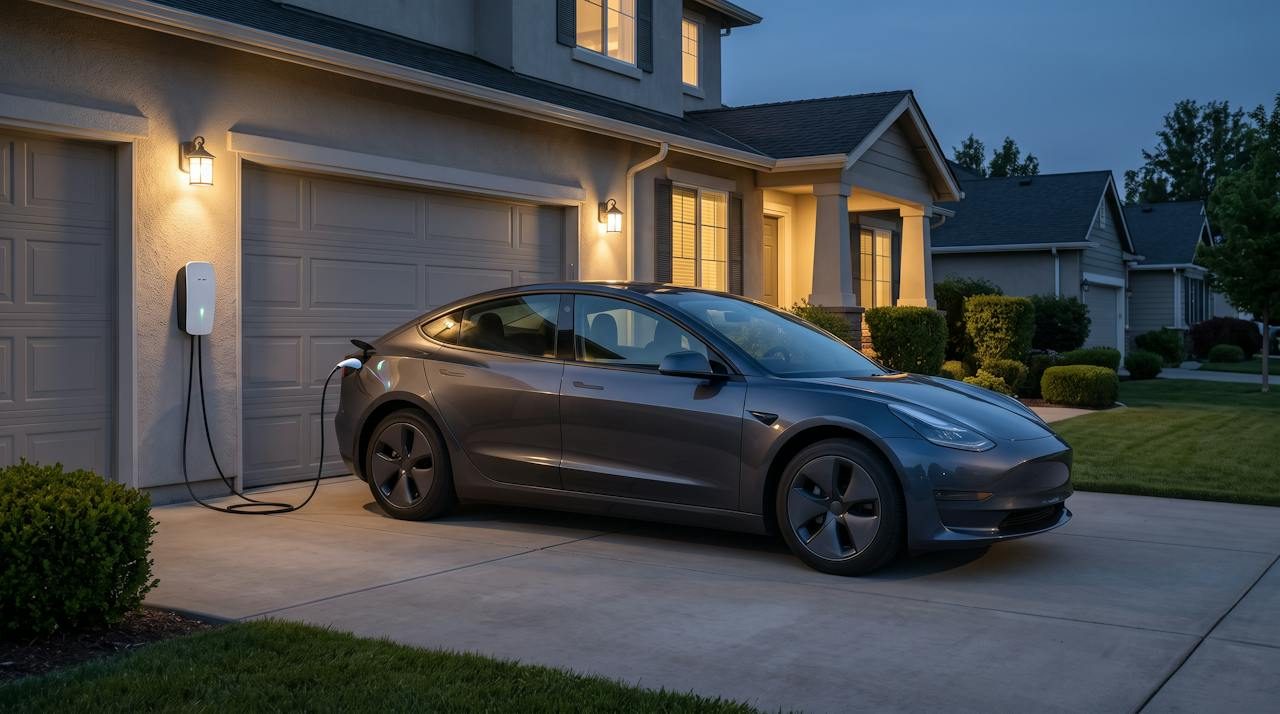
Unlike residential charging, commercial fleet charging infrastructure must accommodate multiple vehicles, demanding operating schedules, and potentially higher electrical requirements.
A complete fleet charging solution may include:
- Level 2 EV charging stations
- DC fast charging equipment
- Depot and workplace charging infrastructure
- Electrical capacity assessments
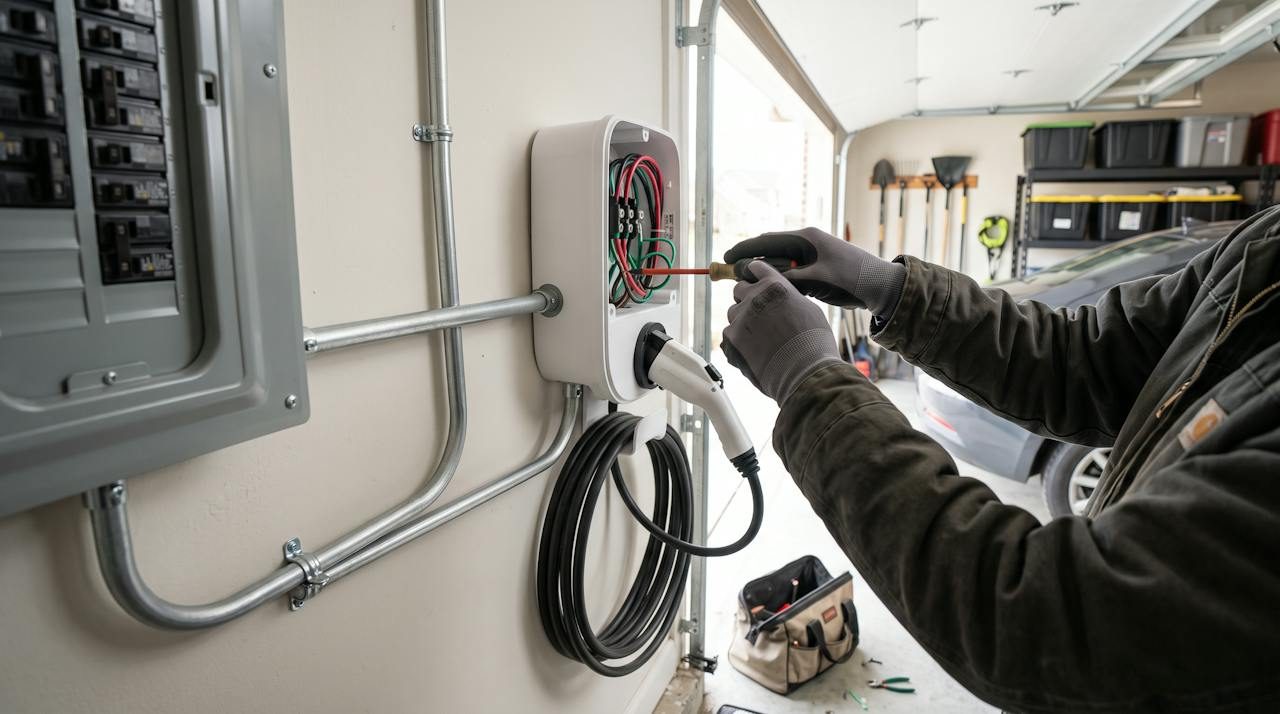
- Charging station installation
- Dynamic load balancing and energy management
- Charging access controls
- Energy consumption and charging session reporting
- Infrastructure expansion planning
The right combination depends on the size of your fleet, how far vehicles travel each day, and how much time they spend parked.
For many businesses, a combination of Level 2 and DC fast charging can provide the flexibility needed to support daily operations.
Why Businesses Are Investing in Electric Fleet Charging
Fleet electrification is becoming an important consideration for businesses looking to manage transportation expenses.
While the initial investment requires planning, electric vehicles can offer several operational advantages.
1. Lower Operating Costs
Electric vehicles can cost less to fuel and maintain than traditional gasoline or diesel vehicles.
Charging vehicles at a company depot may also provide greater control over energy expenses compared with relying entirely on public charging stations.
Actual savings depend on electricity rates, vehicle efficiency, mileage, and maintenance requirements.
2. Reduced Vehicle Downtime
For businesses that depend on transportation, vehicle availability is essential.
Installing charging infrastructure at a depot allows vehicles to recharge while parked overnight or between shifts.
With a properly designed system, fleet managers can schedule charging around operating hours rather than sending drivers to public charging locations.
3. Greater Control Over Charging Operations
Dedicated fleet charging stations allow businesses to establish a consistent charging process.
Depending on the equipment and charging network selected, fleet operators may be able to monitor electricity consumption, review charging sessions, and manage access to charging stations.
These capabilities can help businesses better understand charging expenses and usage patterns.
4. Infrastructure That Supports Growth
A business operating ten electric vehicles today may have twenty or more in the future.
Planning electrical infrastructure with expansion in mind can help avoid unnecessary reconstruction as the fleet grows.
A well-designed charging installation considers both current requirements and anticipated vehicle additions.
Level 2 vs. DC Fast Charging for Commercial Fleets
One of the most important decisions when planning fleet charging infrastructure is selecting the appropriate charging equipment.
Level 2 Fleet Charging
Level 2 chargers are commonly used for vehicles that remain parked for extended periods.
They are often suitable for:
- Overnight fleet depot charging
- Employee and workplace vehicles
- Municipal service vehicles
- Delivery vans returning to a central location
- Company vehicles parked between shifts
Because Level 2 charging typically requires less electrical power per port than DC fast charging, it can be a practical option for fleets with predictable schedules.
DC Fast Charging
DC fast charging delivers power at a higher rate and can be useful when vehicles need to return to service quickly.
Potential applications include:
- High-mileage delivery fleets
- Vehicles operating multiple shifts
- Fleets with limited charging windows
- Operations requiring rapid turnaround
However, DC fast charging generally requires a larger infrastructure investment and may involve additional utility coordination.
The appropriate choice depends on vehicle compatibility, daily energy consumption, available electrical capacity, and operating schedules.
Dynamic Load Balancing for Commercial EV Fleets
As businesses expand their electric vehicle fleets, managing electricity demand becomes an important part of operating an efficient charging network.
Dynamic load balancing allows compatible EV charging systems to automatically distribute available electrical power across multiple charging stations based on real-time demand and electrical capacity.
Rather than having every charger operate at maximum power simultaneously, the system adjusts charging output to help prevent electrical overloads while making better use of available power.
For commercial fleet operators, dynamic load balancing offers several potential benefits:
- Optimized Power Distribution: Allocate available electrical capacity across multiple vehicles without exceeding configured power limits.
- Reduced Infrastructure Costs: Potentially avoid or minimize costly electrical service upgrades by making better use of existing capacity.
- Improved Energy Management: Adjust charging output based on facility electricity usage and charging demand.
- Scalable Fleet Charging: Support additional charging stations as fleet requirements grow, subject to available electrical capacity.
- Operational Flexibility: Accommodate different charging schedules and vehicle requirements.
For example, a delivery company operating 20 electric vans may not need all 20 vehicles charging at maximum power simultaneously. A properly configured load balancing system can distribute available power among connected vehicles, helping the company manage its electrical capacity more efficiently.
JuiceNet helps businesses evaluate fleet charging solutions that incorporate dynamic load balancing and energy management capabilities based on their facility’s electrical infrastructure and operational needs.
Which Businesses Benefit From Fleet EV Charging?
EV fleet charging infrastructure can support many industries throughout the United States.
Last-Mile Delivery Companies
Delivery businesses often operate vehicles on predictable routes that begin and end at the same facility.
Depot charging can allow these vehicles to recharge overnight and return to service the following morning.
Municipal and Government Fleets
Cities and government agencies operate service vehicles, administrative vehicles, and other light-duty fleets.
Dedicated charging infrastructure can support the transition to electric vehicles while allowing agencies to manage charging at municipal facilities.
Commercial Service Fleets
Businesses operating maintenance, utility, landscaping, and field-service vehicles may benefit from workplace or depot charging.
Charging infrastructure can be designed around when vehicles return to their operating locations.
Multi-Location Businesses
Companies operating vehicles across multiple facilities face additional challenges.
Charging equipment, electrical capacity, and installation requirements may differ from one property to another.
Working with a single project coordination partner can help establish a consistent approach across locations.
How to Plan EV Charging Infrastructure for Your Fleet
Before installing fleet charging stations, businesses should evaluate several factors.
Fleet size: Determine how many electric vehicles require charging today and how many may be added in the coming years.
Daily mileage: Estimate how much energy each vehicle consumes during normal operations.
Parking duration: Identify how long vehicles remain parked and available for charging.
Electrical capacity: Review the existing electrical service to determine whether upgrades may be required.
Dynamic load balancing: Evaluate whether an energy management system could help distribute available power across multiple chargers.
Charger placement: Consider parking layouts, vehicle movement, accessibility, and cable reach.
Expansion plans: Evaluate whether additional charging stations may be needed as the fleet grows.
These considerations help determine the number of chargers, appropriate charging speeds, and overall infrastructure requirements.
How JuiceNet Helps Businesses Install Fleet Charging Stations
JuiceNet provides EV fleet charging solutions for businesses throughout the United States.
From the initial site evaluation through installation, JuiceNet coordinates the process to help businesses develop charging infrastructure suited to their operations.
Services include:
- Fleet charging consultations and site assessments
- Level 2 and DC fast charging recommendations
- Commercial charging equipment selection
- Electrical infrastructure planning
- Dynamic load balancing and energy management evaluations
- Permit and utility coordination
- Installation coordination with licensed electrical contractors
- Planning for future fleet expansion
JuiceNet works with charging hardware from established manufacturers, including ChargePoint, Tesla, and Blink.
Rather than recommending the same equipment for every business, JuiceNet helps determine which charging solution fits each location’s operational and electrical requirements.
For organizations managing multiple depots, JuiceNet can also coordinate charging projects across different locations.
Frequently Asked Questions About EV Fleet Charging
How much does EV fleet charging infrastructure cost?
Installation costs vary depending on the number of chargers, equipment type, electrical capacity, construction requirements, and location. A site assessment helps determine the infrastructure and budget required.
How many EV chargers does a fleet need?
The number depends on fleet size, daily driving distances, charging speed, and vehicle parking schedules. Not every electric vehicle necessarily requires a dedicated charger.
What is dynamic load balancing in EV fleet charging?
Dynamic load balancing is a technology that automatically adjusts charging power across compatible charging stations based on available electrical capacity. It helps fleet operators manage electricity demand and may reduce the need for certain electrical infrastructure upgrades.
Can businesses install EV chargers at multiple locations?
Yes. Fleet charging infrastructure can be planned for individual depots or multiple facilities across different states.
Are there incentives for commercial fleet charging?
Federal, state, local, and utility programs may provide financial assistance for qualifying projects. Availability, funding, and eligibility requirements vary by location and program.
Can existing commercial buildings support EV fleet charging?
Many commercial properties can accommodate EV charging, although some require electrical upgrades. An electrical assessment helps identify the available capacity and necessary improvements.
Start Planning Your Fleet Charging Infrastructure
Whether you’re transitioning your first company vehicles to electric or expanding an existing fleet, reliable charging infrastructure starts with proper planning.
JuiceNet helps businesses nationwide evaluate charging requirements, select equipment, and coordinate installation.
Ready to explore EV charging for your fleet?
Contact JuiceNet to schedule a fleet charging consultation and discuss your vehicles, facility, and infrastructure requirements.